
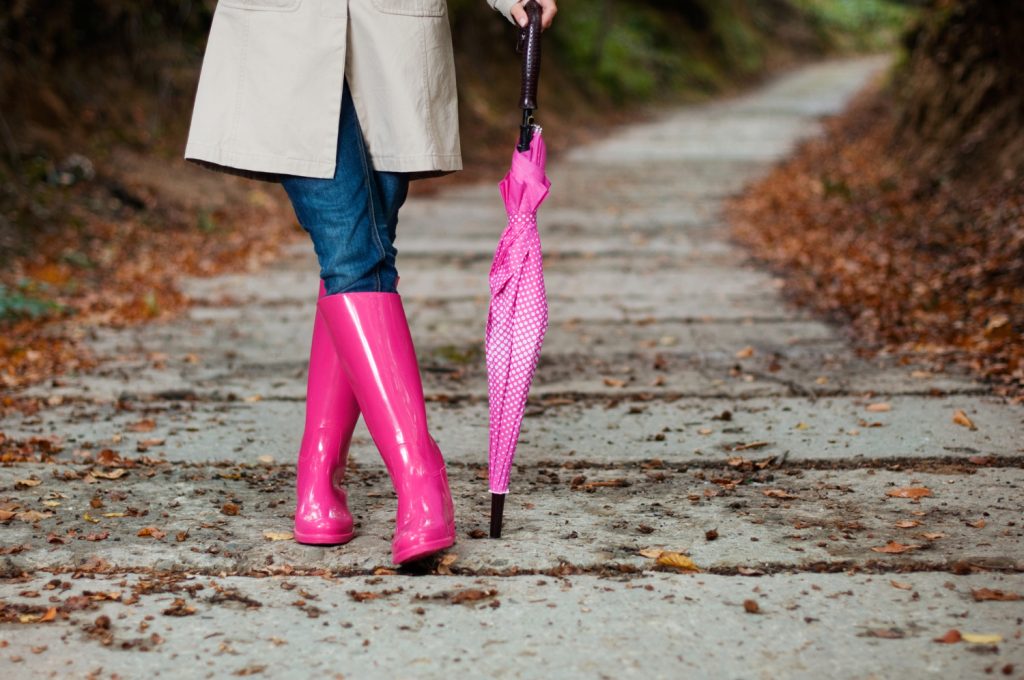
Monsoon travel across India rarely goes as planned. Skies are clear in the morning, then clouds roll back by late afternoon. Streets flood, luggage gets splashed, and jackets stay damp for longer than anyone likes. It does not take much for a weekend trip or business visit to end with uncomfortable, wet clothes packed at the bottom of a suitcase.
Carrying extra changes, bulky rain gear, or relying on quick hotel dryers is not always workable. That is where a smart shift, like using a hydrophobic coating for clothes, comes in. It lets you move through rain-heavy places with less worry, helping you stay dry and cut down on luggage, even when the weather does not hold up.
Why Fabric Readiness Matters During Monsoon Travel
Most people do not realise how much travel comfort depends on your clothes staying dry. Once cotton or denim shirts get wet, they feel heavy and do not dry fast, especially when the air is already full of moisture. Things feel stuffy after a while. Longer spells of rain make it harder for clothes to bounce back between stops.
- Damp fabric is more likely to smell after sitting in a bag for a few hours
- Wet clothes rub more on the skin, which can cause rashes during road travel
- Humid air means clothes do not dry between hotel transfers or after quick rinses
- Frequent washing during travel breaks the fabric strength faster
Packing more does not help either. Clothes pick up moisture again if your bag is caught in an open tuk-tuk or hanging at the edge of a train platform. So even well-packed clothes may not stay fresh for long.
How Hydrophobic Coating Helps Protect Clothing
Our surfaces are not the only things we treat against extreme weather. Clothes benefit too when they have a shield that keeps water out. A quality hydrophobic coating for clothes does not block airflow or make the material feel strange to wear. Instead, it builds a fine layer just tight enough for water to roll off but loose enough to stay breathable.
You get the benefits of natural fabric and the protection of something water-resistant. Dirt, spills, and rain do not soak in right away. They roll off or leave less behind, making cleanup easier. Plus, these coatings do not stiffen or damage fabrics like older waterproofing sprays can. That means shirts still fold soft, coats still move naturally, and breathability stays intact.
It works well for different kinds of clothing and gear, especially when there is no time to dry things mid-trip.
Nanoman’s hydrophobic textile coatings are engineered for Indian weather, suitable for cotton, polycotton, fleece, denim, and sports blends. The nano barrier repels water and dirt without affecting softness, airflow, or appearance, lasting through repeated washes and travel use.
Types of Clothing and Gear That Benefit Most
Some pieces take heavier hits during monsoon travel than others. Street-level walking, open-top transport, and tarmac crossings all raise the chances that clothes or bags will get dirty or wet.
- Lightweight jackets or sports coats worn over clothes during transit
- Travel trousers and cargo pants where mud and splashback settle quickly
- Cloth-based backpacks, laptop bags, and walking packs used without a rain cover
- Blended fabric shirts where stains typically hold longer
- High-use work gear like reflective jackets or site vests in construction, power, or road energy zones
Even bags that see short exposure, like a shoulder strap pack during a walk from a metro stop to a cab, feel the loss faster in repeated wet cycles. Treated fabric holds less water, so the inside stays dry and there is less mildew smell later.
Things to Watch for During Monsoon Transit
You can plan and still end up caught in the rain before you know it. A 10-minute delay in baggage claim or a blocked drain at the side of a taxi stop can leave you soaked. Monsoon transit across Indian cities comes with plenty of surprise water exposure.
- Open walks across airport tarmacs or rail crossings invite rain on your top layers
- Delays at uncovered bus pick-up points lead to longer soak times
- Splashwater from bikes and autorickshaws hits lower clothes and sides of soft bags
- Shared hotel lockers or train overhead storage run humid and rarely dry fast
- Early morning fog or pre-sun showers mean even ‘dry’ surfaces stay damp
Untreated fabrics pick up more dirt in these stops. They trap water, wick it through different layers, and stay unwearable longer. That leads to either washing or avoiding use altogether, which no one wants on a long travel schedule.
Less Cleaning, Longer Use: The Day-to-Day Benefits
Keeping clothes water-resistant means you do not need to cycle them out as often. Dirt does not grab at the surface in the same way, and water does not pull fabric down with weight. That brings steady benefits beyond just staying dry on one trip.
- Fewer washes stretch the life of durable travel items by limiting fabric stress
- Cleaning is often limited to a simple wipe or mild soap rinse instead of soaking washing
- There is less need for sulphate-heavy softeners that wear down natural fabric qualities
- Most treated items stay presentable for meetings or casual outings for longer
Treated fabrics tend to collect fewer permanent spots from rain splashes mixed with street dust. Over time, that means trousers and coats keep looking sharp, even after several trips within the same season. And when everything does not need to be washed right after rain, laundry becomes more manageable across hotel stops or after long office visits.
Staying Dry Without Packing Extra
Packing heavier gear does not guarantee staying dry in unpredictable rain. Sometimes the jacket does not fit in the carry-on, or the umbrella breaks after five minutes of strong wind. The weather across Indian cities in September does not follow one rhythm, so it is better to work with clothes that already handle rain well.
Hydrophobic coating for clothes helps travel feel lighter without giving up on comfort. When the clothes themselves manage water better, there is less need for emergency cover or those plastic ponchos that do not last. You move quicker between sites, pack less, and avoid piling on replacements.
At the start of the monsoon season, it might seem like overpreparation. But by the third or fourth soaked afternoon, it pays off by letting your packed clothes stay usable and cleaner till your return.
Monsoon Clothing, Less Stress
Monsoon travel challenges are a part of life across India from June through early October. Clothes that fight back against rain without extra work make those weeks easier to handle. We have seen the difference treated fabrics make when you are catching a last-minute train, getting drenched on a site visit, or packing up quickly to get to the next stop.
Even a single coating at the start of the season can help make your travel more comfortable from day one to the final leg. When your gear stays dry, so do your plans.
Keep your clothing looking fresh and ready, even in the most unexpected monsoon showers. With a hydrophobic coating for clothes, you can enjoy travels across India without the worry of damp, uncomfortable fabric. This simple solution provides the comfort and practical protection your wardrobe deserves. At Nanoman, we specialize in creating fabric solutions that seamlessly fit into your busy life.

