
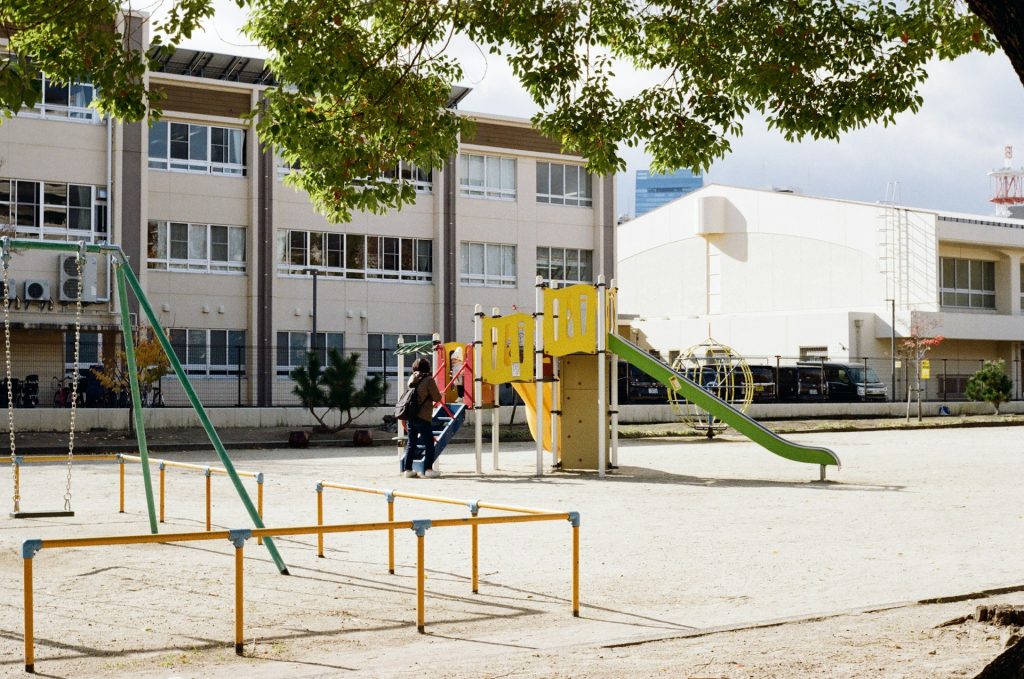
School play areas take a lot of wear over time. Children are imaginative and active, so it is no surprise that swings, slides, benches, and walls pick up more than just scrapes during the week. Between constant use, weather changes, and the occasional drawing or spray paint incident, the appearance of these spaces can quickly slip.
That is where antigraffiti coating comes in. It helps protect surfaces that are often exposed or left unattended, like outdoor play fixtures, low walls, climbing structures, and seating. Keeping these areas in better shape helps create a safe and respected environment for pupils and gives teachers and staff fewer headaches around seasonal maintenance.
Why School Play Areas Are Easy Targets for Graffiti
Graffiti shows up where surfaces are open and inviting to mark. Playgrounds offer exactly that, especially when paint, metal, brick, and wood are part of the mix. School walls, lamp posts, monkey bars, and even storage sheds tend to be bright or plain, which makes them more appealing to mark.
- Shared spaces are left unattended after hours, especially in open schoolyards
- Older materials like untreated wood or rough concrete absorb marker ink or paint
- Fewer staff are available during evenings, weekends, or holidays to catch incidents quickly
Once markings appear, they are hard to scrub off, especially if the surface has tiny pores where the pigment sinks in. That means even after cleaning efforts, the remaining stain makes the space look stained or messy. And repetition becomes a problem. The more graffiti appears, the more likely new markings will follow.
How Graffiti Affects Safety and Surface Integrity
Graffiti is not just about unwanted drawings. The tools that tend to go with it, like sharp metal tips, glue, marker solvents, can make certain areas unsafe over time. Once structural parts of the playground are affected, function and safety can take a hit.
- Paint buildup can leave climbing areas slippery
- Etching paste or scratching can weaken a hardened surface
- Glue from stickers or posters traps moisture and leads to rot or mould
Untreated metals may rust faster. Brick can start to flake. Even strong plastic can fade or warp in places where harsh materials were used. Most of this gets worse with rain or heat, which makes summertime an important stretch for school grounds. Keeping damage off the surface in the first place gives play equipment and paths more time to remain safe and usable.
Graffiti can also make parts of playgrounds look intimidating, which can affect how children use the space. Many children might avoid areas that look dirty or unsafe, limiting their play and learning experiences.
Over time, a neglected surface signals that the area is not cared for, which may encourage further damage. For schools seeking to make the most out of their investment in play equipment, addressing surface protection is a practical, proactive step. This not only safeguards materials but reassures families that their children will be able to play in well-kept, safe environments.
The Science Behind Protective Coatings
Most outdoor surfaces used in school compounds are either porous or non-porous. Both types react differently to paint, ink, and glue. Antigraffiti coating works by adding a thin seal across the material’s surface, stopping the graffiti from sinking in or sticking.
- On porous materials like brick or untreated timber, the coating fills the spaces that paint might soak into
- On smoother surfaces like steel or tough plastic, it forms a smooth layer that paint or marker ink cannot grip
Once treated, cleaning becomes far simpler. A cloth or sponge with soap and water can usually take care of unwanted marks without scrubbing or sanding. This works well for mixed-surface places such as climbing walls with wood and steel parts or benches with both metal and composite materials.
The coating does not change the appearance of the area but gives it an added shield. That is exactly what helps retain the original look while still allowing children to use the space freely, without locking down or removing high-touch features.
These coatings are designed to withstand regular contact and piecemeal cleaning, making them a smart choice for facilities managers. Surfaces stay vibrant for longer, which helps schools maintain an inviting look throughout the year for pupils and visitors alike.
Seasonal Benefits: Summer Protection Before the Monsoon
Late July is right before monsoon season reaches full swing in many parts of India. It is also a time when schools reopen or prepare their facilities ahead of regular sessions. That makes it a good moment to protect frequently used outdoor spaces before heavy rain, heat, and humidity start to test the durability of school grounds.
- July weather still offers dry days, giving coatings time to bond to surfaces
- Treating surfaces in advance keeps moisture from sinking into cracks or seams
- Playground areas with less drainage stay cleaner when the sticker glue or paint can be easily wiped off
Play structures often sit close to the soil or under trees. That means wet seasons bring added exposure to mildew and moss. With an extra layer protecting equipment, schools can spend less time responding reactively to wear and more time planning updates or improvements.
Long-term exposure to the elements can be a problem for schools, even outside of the monsoon period. It is common for water to trickle down walls and into joints, especially during storms. If these areas are protected ahead of time, schools avoid the hassle of deep cleans or costly surface repairs when the holidays end. Simple, proactive measures save time and effort for everyone responsible for maintaining the grounds.
Helping Schools Maintain Cleaner Environments
Once a graffiti-resistant surface is in place, cleaning routines get far simpler. The need for pressure cleaners or chemical sprays goes down, which means surfaces keep their colour and shape longer, too.
- Daily wiping or simple rinsing can fix new graffiti before it stains
- Less repainting helps outdoor classrooms and play zones keep their designed look
- Maintenance staff spend fewer hours fixing individual marks
Keeping play areas clean also affects how pupils feel. Environments that appear cared for tend to invite better behaviour and mutual respect. When equipment looks new and walls stay clear, children are more likely to use the space responsibly. That makes it easier for teachers and staff, too, as there is one less distraction to manage during the day.
Schools can also create more flexible outdoor programmes when surfaces are easy to clean. Outdoor learning, games, and community events benefit from bright, graffiti-free surroundings. It sends a clear signal to all users that the space is well looked after, building a shared sense of responsibility. Over time, pupils become more invested in keeping playgrounds neat, simply because they see staff and adults do the same.
A Smarter Way to Care for School Grounds
Protecting school playgrounds is more than just keeping things tidy. It has a real impact on safety, facility costs, and how students treat their shared environment. When surfaces stay strong and damage-free, schools get better use from their outdoor areas all year.
We know that planning ahead of the monsoon is a recurring part of school operations in India. Applying graffiti protection before the season kicks in gives us the chance to control long-term wear instead of chasing quick fixes later. It keeps benches, walls, and structures cleaner for longer and leaves more time for what school is really built for: learning, play, and connection.
Keep your school playgrounds safe and inviting with the right protective measures from Nanoman. As you plan for the upcoming monsoon season, consider the benefits of our antigraffiti coating to shield surfaces from unwanted marks and environmental wear.
Our solutions help maintain clean, vibrant play areas that invite respect and creativity from students, while reducing maintenance headaches for staff. Contact us today to ensure your outdoor spaces remain well-kept and secure, ready to welcome students back in a fresh environment.

