
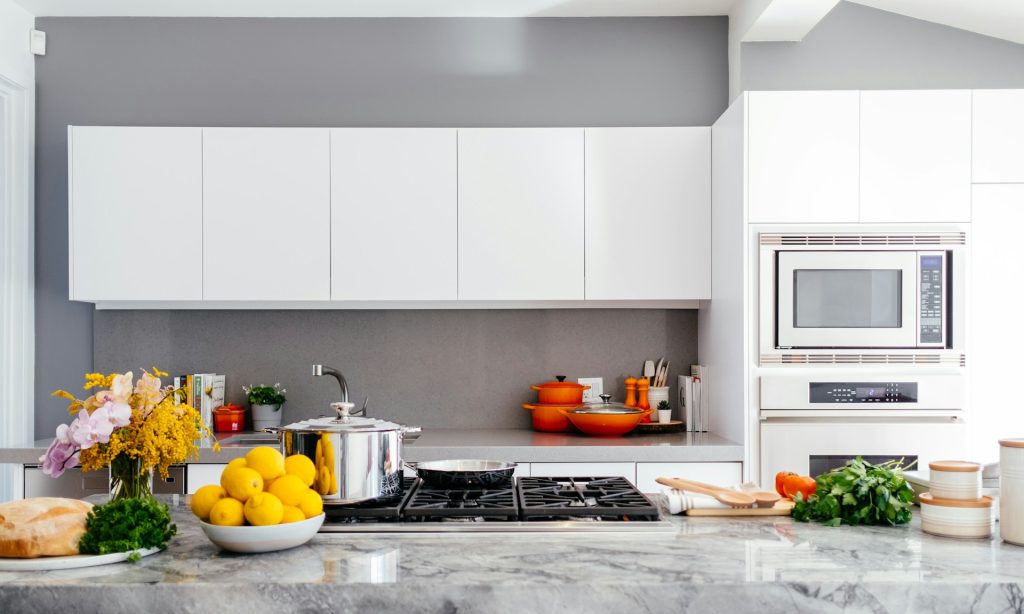
PFAS-free protective coatings are showing up more often in kitchens now, but not everyone is clear on what that means or how safe they really are. It is one thing to hear about a coating that repels stains and spills, but it is another to know if it is okay to have on surfaces where your hands, food, and cooking tools go.
PFAS (per- and polyfluoroalkyl substances) were once widely used for making things waterproof and grease-resistant. The shift to PFAS-free options is driven by concerns about the way these old compounds behave over time. Many start breaking down slowly and do not leave the environment or body easily. So, as the weather warms and kitchen use picks up, especially across India, more people want coating options that are safer for everyday use.
We have seen a steady rise in coatings made for household surfaces like countertops, tiled splashbacks, glass sections, and even inside cabinet doors. These new solutions offer a way to protect surfaces from heat, stains, or steam without adding long-term exposure risks.
What Are PFAS and Why Are They Being Replaced?
PFAS were used for decades in a wide range of coatings, firefighting foams, and consumer goods. Hard to wash away and slow to break down, they created surfaces that resisted water, grease, and stains. But as they linger on surfaces and in the environment, questions grew around how harmful they might be.
On kitchen counters or appliance exteriors, that stickiness you feel after cleaning is often the build-up from residues and cleaning products. When the coating itself contains PFAS, repeated use or heat can release small traces into the air or food space. That is why kitchens, where we eat and spend time daily, are high-priority zones when switching to safer materials.
Newer coatings now rely on blends without PFAS. They aim to keep the water- and oil-repellent properties while using ingredients that are easier to break down over time. It is about making wipe-downs easier and reducing what is left behind.
Kitchen Surfaces That Benefit from PFAS-Free Protection
Not every surface in the kitchen needs the same kind of protection. But almost all benefit from being shielded against heat, splashes, and food spills.
- Glass splashbacks stay exposed to steam and grease; a non-stick layer helps avoid streaks and build-up
- Ceramic tiles near the stove or sink zone collect moisture and oil splatter, coatings make them easier to clean and less likely to stain
- Granite counters and engineered stone tops are strong, but porous, without a seal, liquids can darken or damage the surface
Using PFAS-free protective coatings on these materials offers a cleaner look and longer-lasting finish. With summer approaching, long cooking hours mean hotter surfaces and more mess. Quick clean-ups matter more, and a good protective layer makes this easier without adding hidden chemical risks.
Nanoman’s eco-safe surface solutions are engineered to be free from PFAS and silicones, making them safe for kitchen counters, tiles, natural stone, and appliances. Our clear coatings are developed to keep surfaces hydrophobic and non-absorbent, preventing odour and residue buildup without any toxic after-effect.
Are These Coatings Really Safe for Daily Use?
It is fair to wonder how safe any coating is, even when it is labelled PFAS-free. Just removing one group of chemicals does not make every formula harmless. Some people worry that replacements could cause other issues. That is why it helps to read the product information closely.
When we say PFAS-free, we mean the formula avoids using that specific group of persistent substances. But the full list of ingredients should still show whether it is suitable for surfaces that come into contact with food or hands. Always check if the product is food-contact safe, especially for areas like prep counters or chopping sections.
Having less chemical load on your surfaces does not mean skipping care, it shows that safer kitchen coating choices exist, but still need to be applied responsibly. The goal is to have clean, simple surfaces that stay easy to manage without worrying about what is slowly leaking out of the protective layer itself.
Nanoman’s protective coatings are designed for food-prep safety and do not leach, haze, or flake off during high use, making them ideal for families or commercial kitchens seeking low-maintenance and non-toxic care.
Choosing the Right PFAS-Free Protection for Your Kitchen
Once you have decided to use a protective coating, it helps to match the product to the material. Kitchens include many different surfaces, and not every formula works for all of them.
- Choose heat-resistant coatings for backsplashes or wall tiles behind hobs
- Use stain-resistant types for busy prep zones or high-touch areas like around sinks
- For non-porous materials like glass or ceramic, a lighter coat may be all you need
- For porous stone like granite or composite, look for deeper-penetrating sealers with strong bonding abilities
Think about where mess happens most often. Kitchen tiles might look clean but often collect unseen film around edges and joints. Taps and surface corners near the stove see moisture nearly every day. For these spots, a tougher, longer-lasting coating makes a difference.
If you are redoing cabinetry or counters, it is useful to decide on protective coatings early on. That way, you are not cleaning off damage later that never needed to happen in the first place.
Living with Protected Surfaces in Warmer Seasons
India’s summer months bring a mix of heat, humidity, and increased home cooking. When people cook more meals in open kitchens or store more food freshly cut, surfaces get extra use and more exposure to water, oil, and hands.
To keep coatings working well:
1. Clean coated surfaces with a soft cloth or damp sponge
2. Avoid scrubbing aggressively, as that can damage the protective layer
3. Check regularly for signs of wear, especially near the hob, sink, or any surface that gets touched often
Once the monsoon starts, moisture in the air rises quickly and stays longer on surfaces. Porous joints and corners absorb it faster. Refreshing the coating just before the rains helps make sure water and humidity will not soak in and cause discolouration or musty smells.
Wiping down once a day with a dry or mildly damp cloth can be enough to keep surfaces in good shape when they have been treated properly.
Safer Kitchens Start with Smarter Material Choices
Kitchens are becoming more than just places to cook. They are now spaces where families gather, where children snack after school, and where cooks often spend long evenings preparing meals for guests or special occasions. With such high usage and constant activity, it makes sense to choose surfaces that do not require harsh chemical cleaners to remain fresh and hygienic.
PFAS-free protective coatings provide a reliable way to shield glass, stone, ceramic, and tile from everyday wear and exposure without leading to unwanted chemical buildup after months of use. This advantage means not only a safer home environment, but also less effort in keeping up a clean and healthy kitchen through the most demanding months.
When surfaces stay smooth and protected, food residue and spills are less likely to stick or stain. Daily wiping becomes less tedious and does not require heavy scrubbing routines. As a result, more time is left for other important activities and less time is needed to maintain high standards of cleanliness. This is especially appreciated in the hotter, high-use months when home life is at its most active.
At Nanoman, we are dedicated to ensuring your kitchen surfaces stay hygienic and safe from chemical build-up. Our PFAS-free protective coatings are specially designed to offer long-lasting protection without compromising on environmental safety. Make the most out of your kitchen space with a cleaner, healthier approach to surface care. Contact us today to learn how we can help you transition to a more sustainable and effective solution.

