
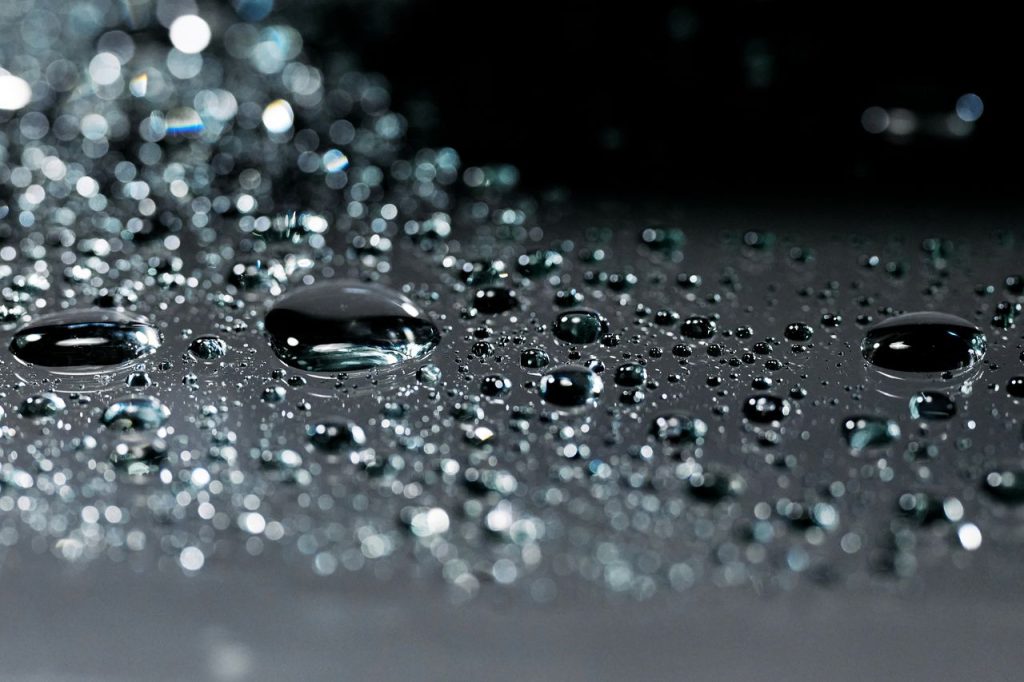
India’s monsoon season brings familiar challenges. As rain pours and humidity climbs, surfaces indoors and out start to show signs of wear. Floors stay damp longer, walls discolour faster, and everyday items start breaking down from exposure. Water does not just wet things, it seeps, spreads, and invites trouble.
That is where nanocoating in India is gaining more interest. It works by bonding to the surface at a molecular level, adding a thin, invisible barrier that repels water while letting the surface breathe. Applying it before monsoon peaks can make all the difference, especially when materials face weeks of exposure and the risk of long-term damage increases.
Why Monsoon Increases Surface Stress at Home and Work
With constant showers and sticky air, surfaces everywhere are under more pressure. Not just in public spaces or industrial sites, but right at home too.
- Outdoor metal gates and railings start to rust, and that rust spreads fast when unchecked
- Fabric sofas, curtains, and car seats hold moisture, making them smell and inviting mould
- Electrical panels or exposed switches in homes or shops are at higher risk of short circuits
- Natural stone tiles or painted outdoor walls become slippery, stained, or cracked
- Any low-lying or flood-prone area sees quicker wear and tear on flooring, paths, and joints
The longer surfaces stay wet or damp, the harder they are to maintain. Many of these problems start small but grow quickly through a month of heavy moisture. That is why early action matters.
How Nanocoating Helps Extend Surface Life During Rainy Weather
Nanocoating can offer steady protection when conditions stay wet for weeks. It does not sit on top like a thick seal, it bonds with the material and shields it in a much finer, more active way.
- It forms a surface barrier that pushes away water droplets instead of soaking them in
- It does not block air movement, so the treated materials do not trap moisture underneath
- It slows corrosion on metal gates, fastenings, outdoor racks, and frames
- It cuts down moisture stains and surface swelling on untreated concrete or tile
- It can be used on non-porous items like glass or ceramic, and porous ones like stone, brick, or fabric
By keeping moisture from bonding directly with the surface, routine cleaning becomes quicker, and deep repairs often are not needed.
Nanoman nanocoating products are scientifically formulated to protect both porous and non-porous surfaces, including stone, concrete, wood, textile, glass, and metal. They deliver breathable water repellency, allow surface vapour to escape, and resist dirt, stains, and mould during prolonged monsoon conditions.
Common Monsoon Use Cases in Homes and Facilities
Some surfaces get hit harder than others. Certain rooms in the house, like kitchens or balconies, and certain areas at work, like storage zones or entrances, tend to collect the most grime or water.
- Stone floor entrances near gardens or driveways benefit from additional grip and stay visually cleaner longer
- Power outlets or switchboards located near entryways or open windows avoid shorting with water deflection
- Upholstered furniture like lounge sets or padded chairs stay drier, which helps avoid musty smells after repeated moisture
- Steel gates or fencing look neater longer since rain streaks and orange-brown rust are kept from forming
- Walls covered with brick or ceramic tile do not hold on to greenish mould or slippery grime as easily
It is not only about damage. During frequent rain, any surface that stays wet too long becomes harder to live with or work around.
Nanoman’s vapour-permeable nano coatings allow surfaces to be both water-repellent and breathable, which is crucial for walls, tiles, concrete, or fabric used in Indian monsoon weather. This keeps interiors and exteriors dry without trapping moisture under the coating.
Industries Seeing Uptake of Nanocoating in India During Monsoon
Nanocoating is getting more attention across a few sectors, especially where downtime or damage during monsoon affects operations.
- Construction sites use it on tools, scaffold pipe joints, storage cloths, or moveable work tents to reduce water damage
- Defence setups treat equipment boxes, wiring, fasteners, and temporary fabric shelters to avoid corrosion
- Retail corners with open-door areas, like storefronts or walkways, coat handrails, steps, and door pull zones to stay clean
- Manufacturing spaces treat common walkways, ramps, and storage room floors to prevent slippage and reduce cleaning delays
- Energy and utility areas protect sensitive gear, housing boards, and wall fixtures during seasonal inspections
It is often small surface choices that save time during peak activity or when success depends on readiness even during bad weather.
Choosing the Right Time to Apply Protection
Timing makes a difference with nanocoatings. When put on early, right before deep monsoon rain hits, they have space to fully settle into position.
- Applying during late summer buildup (like early July) gives protective bonds time to form across weather-exposed parts
- Dry application conditions allow better absorption or adherence, depending on material type
- Heavier surface traffic or construction does not disrupt sealed coverage if the bond was made ahead of time
- By the time non-stop rain hits, things like gates, upholstery, railings, and tiles are already weather-prepped
Business or home, early treatment often means less panic maintenance. In some situations, late-layer fixes do not hold up as well once storms start rolling in.
Practical Confidence for a Wetter Season Ahead
Monsoon might be expected, but the problems it creates still catch people by surprise year after year. Everyday materials wear faster, small leaks become big issues, and once-clean spaces get hard to restore. Coating key surfaces before that cycle sets in can shift the daily experience from tiring to manageable.
When fabric dries quicker, floors do not become slip zones, and metal parts stay clean, it is easier for life and work to carry on. Nanocoating in India gives us one more way to prepare with foresight, cleaner breaks from the rain and less effort getting back on track once it ends.
At Nanoman, we know how transformative the monsoon can be, and ensuring your surfaces are ready is key. With nanocoating in India, you can guard against moisture damage and prolong the look and function of your most utilized areas. Protect your home or workplace against rust, mold, and water staining today. Let us help you create a safer, cleaner environment throughout the rainy season.