
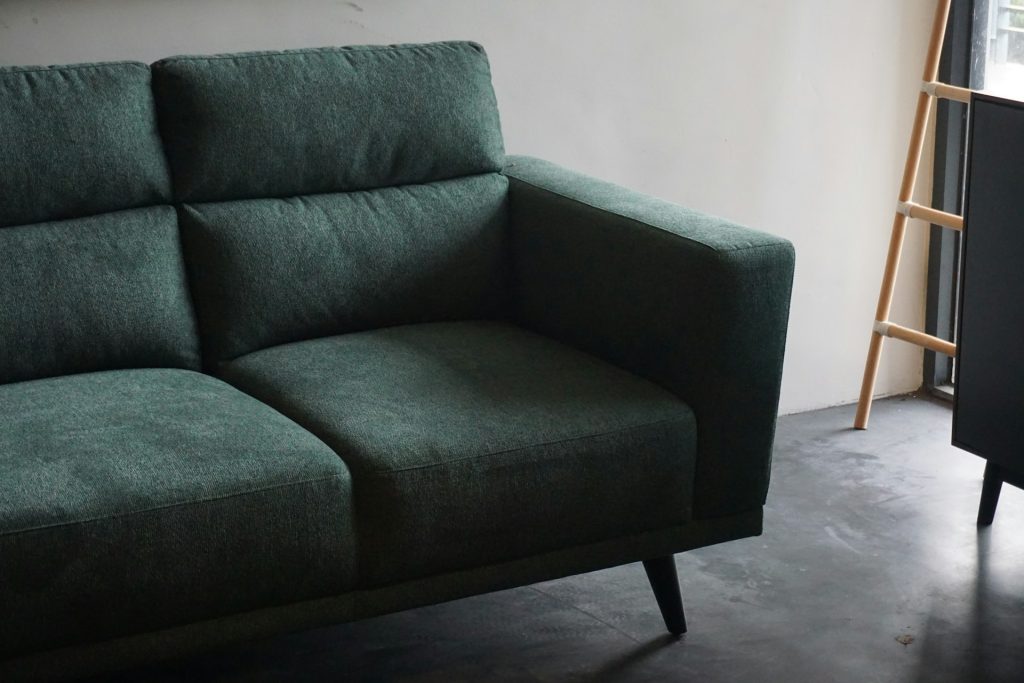
Humidity sneaks up on furniture, especially in homes where airflow does not keep up with the weather. Sofas, in particular, cannot always be moved out of damp rooms or away from open windows. When moisture builds up in the air, that is usually where signs of damage start showing first. Loose stitching, water marks, fading colours, or that stale, wet smell that never quite goes away.
A hydrophobic coating for sofa fabric adds a quiet layer of defence without changing how your sofa looks or feels. It helps water roll off before it sets in, slows down the build-up of odours, and keeps fabric from picking up airborne damp. As the monsoon fades and the humidity sticks around well into October across much of India, this kind of protection helps furniture stay nicer for longer.
How Humidity Affects Sofas and Upholstered Furniture
Some types of fabric hold onto moisture far more than we realise. Cotton blends, in particular, soak up water from the air and hold onto stains left behind from spills, pets, or daily use.
- Homes in coastal areas or cities like Mumbai and Chennai experience longer periods of sticky air that settle into anything soft
- Damp air trapped in cushions or padding makes it harder for sofas to bounce back between uses
- Over time, trapped moisture attracts mould, especially in corners or between loose-framed sofas and walls
Even in drier cities, once monsoon or late-summer humidity starts creeping in, irregular cleaning just will not cut it anymore. Air fresheners or covers may offer minor help, but they do little to restore the fabric’s strength or get rid of the deeper moisture inside.
What Hydrophobic Coating Does for Sofa Fabric
When we apply a hydrophobic layer to fabric, we are not changing how it breathes or feels. We are adjusting how it reacts to water. This coating settles onto the fibres and builds a microscopic shield that makes it harder for moisture to stick. Water droplets glide off instead of soaking in.
- The treated fibres stay dry for longer, even in a damp room with open windows or ceiling fans
- Any accidental spills become easier to manage since fabric does not absorb them as quickly
- Colour fading slows down because the fabric is less exposed to repeated wetting, drying, and cleaning cycles
Plastic sheets or full slipcovers can feel uncomfortable and reduce airflow, especially in homes without AC. A hydrophobic coating avoids this. It works quietly in the background and leaves the sofa looking like itself, just far easier to maintain.
Nanoman’s fabric protection solutions use hydrophobic nanotechnology to create an invisible, breathable layer on upholstery and textiles. Our coatings are stain resistant, anti-microbial, and safe for regular use on cotton, linen, velvet, and mixed fibre sofas.
Less Cleaning, More Durability in Humid Homes
Once fabric becomes good at resisting moisture, it becomes far easier to care for every day. There is no need to deep clean every few weeks just to manage that musty smell or discolouration across the cushions.
- Dirt and dust will not set in as easily since the fibres do not hold damp air and particles
- Cushions stay springy because the inside padding is not weighed down by water pulled in from surface fabric
- Treated surfaces need little more than a quick wipe if water gets spilled or tracked in during monsoon
For homes that use fans, open grills, or natural ventilation throughout the day, moisture always creeps in on the edges. A treated sofa helps balance the comfort of natural airflow with the need to protect furniture from that constant source of damp.
Practical Benefits for Coastal or Seasonal Humidity Areas
If your walls sweat or your windows fog up in the mornings, your furniture is probably taking in some of that extra wetness too. In India, conditions like this settle in slowly across August and linger well past the monsoon. The damage starts subtly.
- The seams begin to look loose
- Colours start to seem uneven from light and damp exposure
- Cloth at the back, armrest, or cushion underside begins to feel constantly damp
Homes near water bodies like lakes or rivers may experience this nearly all year round. In those months when drying is difficult, the sofa almost never fully recovers between uses. Hydrophobic coating for sofa materials makes a big difference here. It takes fabric more time to dry naturally and resist wear. That helps meaningfully stretch how long the material looks and feels fresh, especially through extended wet seasons.
Added Protection Beyond Your Sofa
The way fabrics behave in humidity does not stop with sofas. Many homes have curtain sets, floor cushions, or cloth wall accents that suffer from the same long-term exposure. Soft surfaces are not the only ones, either.
- Decorative curtains and cloth hangings start to hold dust and turn dull from trapped water
- Brick or stone walls used inside homes start letting in surface moisture that leaves residue behind
- Soft chairs or footrests with absorbent material also begin to smell faintly after a few weeks of damp weather
Using similar water-repelling solutions across these parts of the home means you are not just maintaining a single piece of furniture. You are raising the moisture resistance of the entire interior, especially during those slow-fading post-monsoon weeks when drying out is not quick. Pair the approach with a bit of routine dry airflow, and the difference becomes clear when furniture just stops needing as much fuss.
Sometimes, homes even have more than one vulnerable area. Rugs, pillows, and fabric wall panels can also collect damp if ignored. Tackling them at the same time gives your whole living space that “just cleaned” feel longer and makes everyday tidying less of a burden. If you have stone ledges, tiled skirting, or a few porous bricks used on interior features, these can all benefit from similar treatment. A little extra help keeps water from leaving stains or mould on those areas as well. If you live in a space where multiple types of materials are used, using hydrophobic coatings on all of them keeps your living area feeling safer and easier to relax in.
Long-Term Comfort with Lower Upholstery Stress
We all want soft furniture that looks good, feels clean, and lasts more than a few seasons without needing a full refresh. When surfaces stop soaking in stray moisture or humidity in the air, comfort returns to the living space.
- Treated sofas are easier to clean, easier to sit on, and do not start to smell after a short spell of rain
- The reduced water exposure helps stitching, colour, and softness all hold up for longer
- As monsoon winds down, and humidity lingers through early autumn, the hydrophobic coating gives fabric space to breathe without breaking down
If you have ever had to use covers or spray fragrances routinely, you know how annoying it can be. Preventing damp at the source makes life a lot easier. Padding, seams, and even the deeper layers of foam or fabric keep their bouncy feel. You do not need to worry about sudden odour or hidden mould build-up over the months. This sort of surface-level help saves you time, hassle, and extra expense and keeps your furniture in better shape between deeper cleans.
Keep Sofas Fresh in Humid Indian Climates
The cost of replacing upholstery or having furniture deep-cleaned every year adds up. A bit of surface care changes how fabric handles the toughest months, keeping your home fresh, dry, and steadily more liveable even when the weather drags its feet.
Ensure your home remains a cozy haven even during India’s most humid months with a hydrophobic coating for the sofa from Nanoman. This advanced technology creates an invisible shield, keeping moisture at bay and making spill management a breeze. Enjoy fresher, longer-lasting upholstery without sacrificing comfort or aesthetics. Equip your living space for the monsoon season and beyond by contacting us today!