
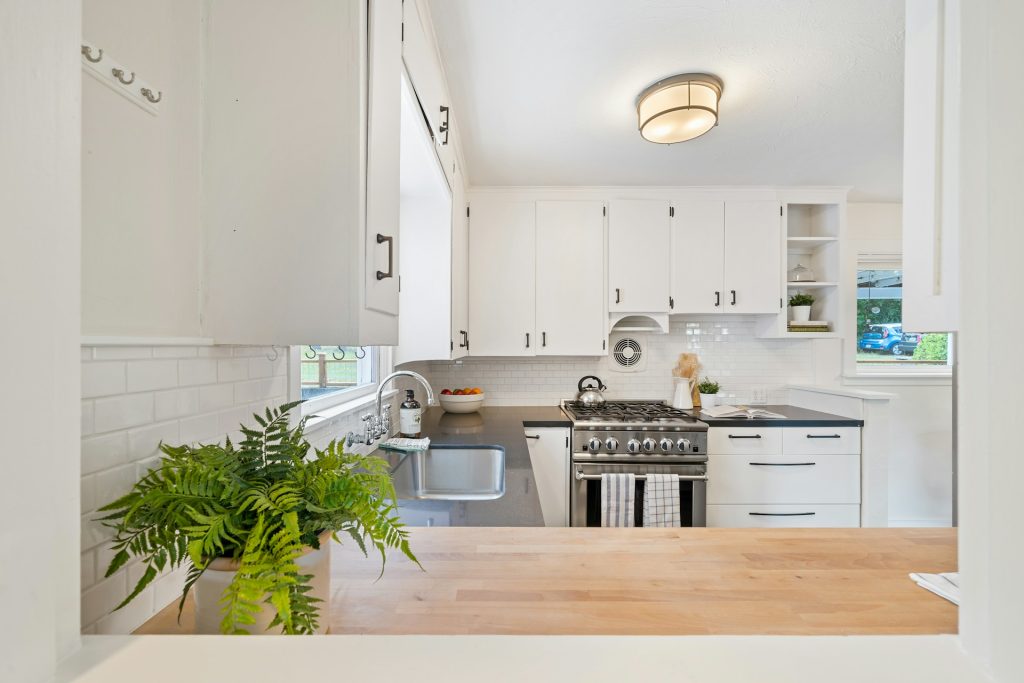
Monsoon season brings a lot more than just rain to many homes in India. Kitchens, especially, feel the effects. Damp air and poor ventilation give germs the perfect place to grow. Spices clump. Drawers smell musty. Wipe-downs seem endless, yet stains stay behind. In this kind of humid environment, cleaning often feels like a losing battle.
The real concern happens in places we cannot always see. Around the fridge seals, behind pantry doors, under the sink, and on container lids, bacteria and mould begin to grow fast. These invisible threats tend to stick around far longer than the mess we can wipe off. That is why many people begin looking at extra surface protection during this time of year. An antimicrobial nano coating is one option worth considering. It helps protect kitchen spaces without changing how they look and keeps food-contact surfaces safer without adding more cleaning products into the daily routine.
Why Monsoon Season Demands Extra Surface Protection in Kitchens
By the time August rolls in, most kitchens in India are already dealing with high humidity levels. Even with fans or vents, the moisture tends to settle. Cabinet interiors feel damp. Cloths take longer to dry. And small puddles in sink corners never seem to fully go away. This creates the perfect setup for microbes to stick, feed, and multiply.
Here are common signs and problem spots:
- Black spots on silicone and grout lines across tiles
- Soggy wood near the bottom of dish racks or cupboard shelves
- Persistent odours even after wiping down handiwork counters or spice storage
- Mushy food packaging and faded food labels due to consistent damp conditions
Most kitchen surfaces in Indian homes are a mix of ceramic tile, stone, wood edges, and plastic inserts, especially in modular setups. These materials, while common, hold water for longer periods after wiping or washing. This keeps the surface slightly wet far beyond cooking hours, which encourages bacteria and mildew growth in the tiniest of seams.
How Antimicrobial Coating Works Inside Food Storage Areas
The smarter way to prevent microbes is to stop them from settling in the first place. That is where nano coatings offer a change. When applied to clean, dry surfaces, the antimicrobial ingredients create a barrier that disrupts how bacteria and mould attach themselves.
For kitchens and storage zones, it works well on textured and smooth areas alike:
- Stone countertops remain easier to wipe clean and are less likely to develop dark patches over time
- Ceramic wall tiles hold less grime from water splashes or pan steam
- Wooden shelf panels and drawer backs stop feeling musty or leaving moisture lines
This kind of barrier also helps kitchens avoid the usual sticky buildup from organic leftovers. Traces of oil or sugar that once fed fungal growth dry quicker, making the surface less inviting to microbes. That means food prep zones stay hygienic longer, even between deep cleans.
Nanoman’s antimicrobial coating for kitchens is a water-based, transparent barrier designed to be food safe, odourless, and non-leaching, preventing bacterial, mould, and mildew growth even on high-use or routine-wash surfaces like containers, countertops, and cupboard doors.
Safe Application on Everyday Kitchen Materials
The best part about antimicrobial coatings is how versatile they are across both porous and non-porous surfaces. From delicate spice racks to solid fridge doors, the layer settles invisibly.
Here are the common places where this protection fits well:
- Ceramic and glass tiles behind stoves or sinks
- Plastic and metal containers, including lids often used for leftovers
- Wooden cabinet frames, especially around damp zones or open edges
- Food prep zones like rolling boards or countertop corners
- High-touch surfaces like water filters, fridge handles, and switches
In Indian kitchens, materials often mix closely. For example, some spice shelves are wooden with a glass cover. Storage drawers may have a steel base but wooden fronts. Nano coatings adapt to these combinations without needing different steps for each. Most importantly, they do not alter how surfaces feel to the touch or interact with food. That gives people peace of mind when handling fresh produce, dry ingredients, or utensil cleaning in such spaces.
Nanoman’s nano coating technology is tested for use on plastic, wood, steel, and tile, and is ideal for keeping food storage and preparation areas resistant to bacteria and musty odours all through monsoon.
Keeping the Look of Your Kitchen Intact
Nobody wants to coat their kitchen with something that causes streaks, smells strange, or changes colour over time. That is another reason antimicrobial nano coating suits homes, it does not show. Once applied, there is no visible film, no sharp smell, and no change in the texture of your tiles, counters, or racks.
Even better, it blocks food-based marks that normally stain the most-used spots. Think curry splatter behind the flame, tea ring stains near the sink, or wet food leaks on Tupperware lids. These are harder to clean when they bond with unsealed surfaces. The coating helps stop them from clinging in the first place, so a basic wipe is often enough.
Over time, people find they spend less time on deep scrubbing. Instead of hauling out harsh chemicals or soaking pans under vinegar treatments, regular soap and water work better, faster. That keeps the look of the kitchen refreshed, even if you are cooking with haldi or tamarind on a daily basis.
Why Indian Kitchens Need Year-Round Microbial Defence
Monsoons may start the moisture build-up, but kitchens stay active all year. Come winter, dry weather brings in another challenge: fine dust and short daylight hours make it harder to see build-up on surfaces. Routine kitchen tasks happen no matter the season, and microbial layers are not always tied to heavy cooking days.
Clean kitchens support more than just appearance:
- Fewer germs help improve food shelf life
- Children and older family members spend time around counters and floors, so safer surfaces matter
- Less abrasive cleaning means fewer chips, peels, or worn edges on cabinets and tiles
We often focus on visible mess but forget that it is the hidden layers that damage surface health. Persistent water exposure, fine particles, and residue from daily cooking all age materials faster if left unprotected. A constant layer of defence keeps that from becoming a bigger issue during high-activity months.
Cleaner Kitchens, Longer-Lasting Surfaces
Protecting kitchen surfaces from microbial growth is not just a seasonal job. It is a low-effort way to get more use out of the space while keeping the home healthier overall. Whether it is August humidity or December dust, the risk of build-up and germs never fully goes away from a family kitchen.
Using antimicrobial nano coating adds a smart barrier that blends smoothly into daily habits. It works quietly behind the scenes while helping tiles, stone, and containers stay fresher between cleans. In busy Indian kitchens where wiping, chopping, and storing all happen in the same spot, invisible surface protection simply makes sense.
Ensure your kitchen stays hygienic and fresh throughout the monsoon with Nanoman’s innovative solutions. Our antimicrobial nano coating provides a protective barrier that inhibits the growth of bacteria and mold, making cleaning easier while maintaining the visual appeal of your surfaces. Safeguard all your kitchen areas and keep them smelling fresh without altering your daily routines. Trust in our technology to maintain cleanliness and tackle damp conditions effectively.

