
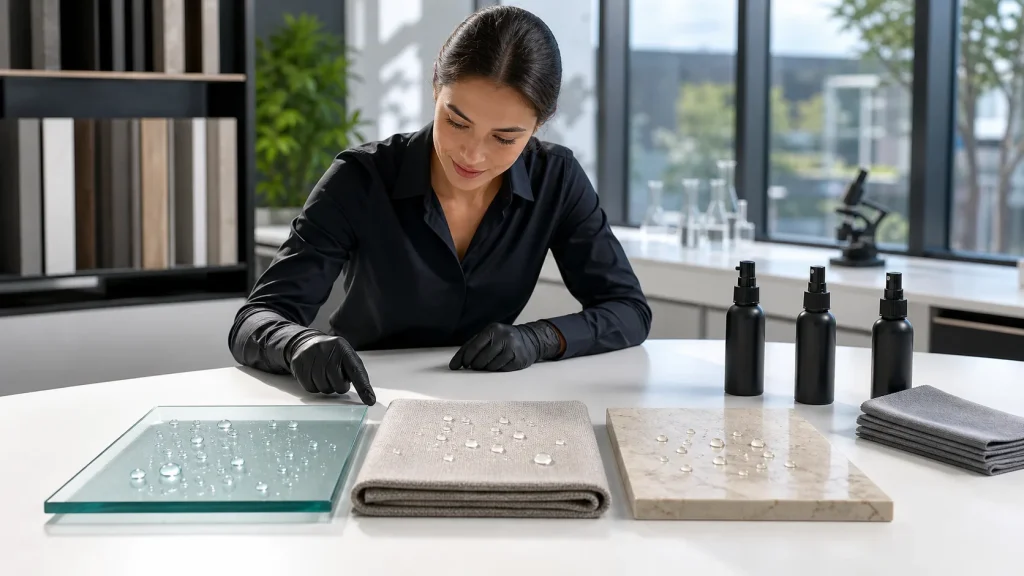
Make Everyday Surfaces Easier to Protect
Glass, fabric, and stone may share the same space, but they do not face the same kind of wear. A shower screen can collect water marks, a sofa can absorb a food spill, and a stone counter can pick up oil or colour from everyday cooking. Choosing the right nano coating products helps reduce the cleaning burden while supporting the look of surfaces you value.
October in India often brings a mix of post-monsoon moisture, dust, festive gatherings, and heavier foot traffic. That can mean more fingerprints on glass, more accidental spills on upholstery, and more mud or grime near entrances and outdoor spaces. At Nanoman, we recommend starting with a simple question: what is the surface made of, where is it located, and what does it face every day? Our nanotechnology-based protective solutions are designed for a range of materials, including glass, fabric, and stone.
Choose Nano Coating Products for Clearer Glass
For glass, the main goal is usually clear visibility and easier water management. Suitable coatings can help water form beads and roll away instead of lingering on the surface. This can help reduce the appearance of water spots, streaks, dust, and grime on windows, shower screens, glass railings, mirrors, and vehicle glass.
Location matters more than many people expect. Indoor glass often deals with fingerprints, soap residue, and regular dust. Exterior glass may face rain, pollution, bird droppings, and the stubborn grime that can follow the monsoon. Before selecting nano coating products, we suggest considering how often the glass is touched, cleaned, or exposed to weather.
A coating for transparent surfaces should support the natural look of the glass, not leave it hazy or uneven. Clean, dry glass is a starting point for reliable performance, so old residue, cleaning product film, and dirt need proper attention before application. For large glazing, high-access areas, or vehicle glass, professional application support can help ensure the surface is prepared correctly.
Protect Fabrics From Spills, Stains, and Humidity
Fabric has a different challenge: it is made of fibres, and fibres can hold onto liquids, dust, and stains. Upholstery, curtains, carpets, cushions, car interiors, and outdoor seating can all see more use during festive meals, guests arriving at home, and busy commercial events.
High-risk fabric areas often include:
- Dining chairs and living room sofas
- Vehicle seats and floor mats
- Hotel, office, and reception seating
- Cushions and outdoor furniture
- Carpets near entrances and walkways
The right fabric protection should help repel liquids and slow down stain absorption without taking away the material’s natural feel or appearance. We always advise matching the coating to the specific fabric type, as a delicate curtain, a thick carpet, and a vehicle seat may have very different needs. A discreet test area is also wise before treating a larger visible section.
Protective coatings can make routine care more manageable by giving you more time to blot a spill before it settles deep into the fibres. They do not make fabric invincible, though. Follow the care guidance for the material, avoid harsh cleaning methods where they are unsuitable, and plan for renewed protection after frequent use or professional cleaning.
Select Nano Coating Products for Lasting Stone
Stone, tile, concrete, and similar mineral surfaces can be porous. Without suitable protection, they may absorb water, oil, dirt, and coloured spills. This matters in kitchens, dining areas, wash spaces, balconies, driveways, patios, floors, and exterior cladding, where daily exposure can vary greatly.
A kitchen counter may need help against oil and food marks, while an outdoor patio may face rainwater, algae, mud, and pollution. That is why we do not recommend treating every stone surface in the same way. The coating should suit whether the material is polished, honed, textured, indoors, outdoors, regularly wet, or exposed to heavy foot traffic.
When comparing nano coating products for stone, think about the finish you want to preserve. Some owners want to keep the original colour and texture visible, while others may be more focused on simplifying maintenance in demanding areas. Surface preparation is especially important here. Existing dirt, moisture, old sealers, and settled stains can affect how a coating performs, so the surface may need professional cleaning or restoration first.
Compare Performance, Care, and Application Needs
Before choosing any protective coating, inspect the surface honestly. Coatings work best as preventive care, not as a replacement for repairing cracks, removing mould, treating corrosion, or restoring badly stained material. If a surface is already damaged, dealing with that issue first creates a better base for protection.
Use level should guide your decision as well. A decorative mirror in a quiet room has different needs from shower glass, dining upholstery, kitchen stone, vehicle interiors, or outdoor paving. Frequent exposure to water, abrasion, detergents, sunlight, and foot traffic can influence both product choice and the need for ongoing maintenance.
When making your comparison, consider:
- The material and its current condition
- Indoor or outdoor exposure
- Contact with water, food, oil, dust, or cleaning chemicals
- How often the surface is touched or used
- Drying conditions, curing time, and future cleaning needs
Application practicality also matters. Some surfaces may seem simple, but large areas, textured stone, delicate fabrics, exterior glass, and frequently used spaces can require careful preparation and controlled application. We recommend reviewing product-specific instructions and arranging suitable professional support where the surface, setting, or expected use calls for it.
Create a Practical Surface Protection Plan
A useful protection plan begins with priorities, not with a one-size-fits-all product. Start with the surfaces most likely to face post-monsoon moisture, festive spills, grime, and extra use. Glass needs clear, water-managing protection, fabric needs help against liquid absorption, and stone needs consideration for porosity, finish, and location.
Planning ahead can make seasonal cleaning feel less overwhelming. Identify the material, note the exposure it faces, address existing damage first, and allow enough time for proper preparation and curing before the surface returns to normal use.
Find the Right Protection for Every Surface
Nanoman can help you compare nano coating products suited to glass, fabric and stone, with clear guidance on their intended use and application. Our team focuses on practical protection that supports the appearance and performance of your surfaces. For tailored product advice, contact us and we will help you choose with confidence.

